Finland Guides Roulette's Transition to Advanced Mobile Live Experiences
Kirjoittanut Katja Friedrich · 22.9.2026
Finland Guides Roulette's Transition to Advanced Mobile Live Experiences
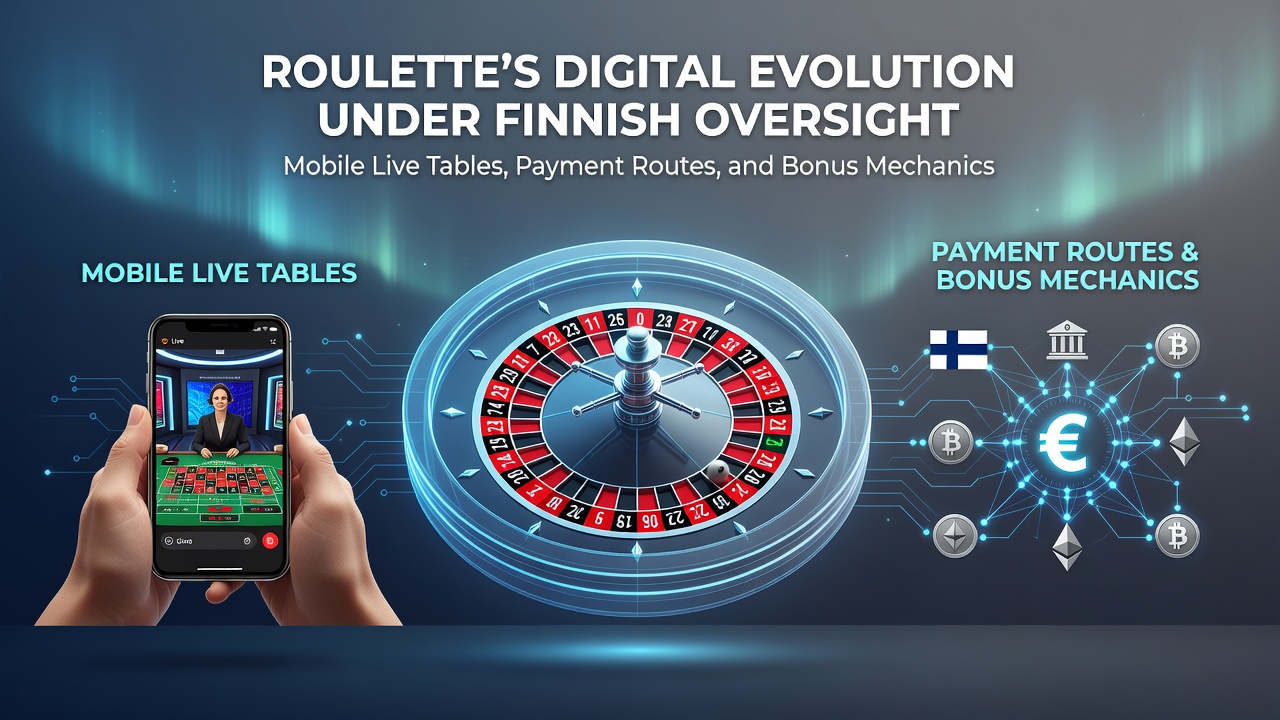
Finland maintains a structured approach to online roulette development, with authorities overseeing shifts toward mobile live tables that integrate real-time dealer interactions through dedicated applications and browser-based platforms. Data from regulatory monitoring shows increased adoption of these systems since 2024, where operators align technical specifications with national standards for latency, security protocols, and user verification processes. Observers note that by September 2026 further refinements in streaming quality and device compatibility had been documented across licensed environments, reflecting ongoing adjustments to mobile hardware trends and network infrastructure.
Mobile Live Tables and Their Technical Progression
Live dealer roulette on mobile devices has incorporated multi-camera setups and augmented overlays that display betting histories alongside real-time wheel spins, all while complying with Finnish requirements for transparent game mechanics. Researchers tracking platform updates indicate that these tables now support adaptive resolution scaling, which maintains consistent frame rates on varied smartphone models without compromising the integrity of random number generation or physical wheel outcomes. Case examples from operators reveal that integration of 5G connectivity has reduced connection drops during extended sessions, and this aligns with oversight directives that prioritize uninterrupted play records for audit purposes.
Those monitoring the sector point out that Finnish statutes require operators to log every interaction on mobile live tables, creating datasets that support compliance reviews conducted at regular intervals. This documentation covers everything from initial table entry to final chip settlements, ensuring that any discrepancies in dealer actions or player inputs can be traced through timestamped entries. What's interesting is how these logs also feed into broader analytics that operators use to refine interface layouts, such as repositioning quick-bet buttons to accommodate one-handed navigation patterns observed in user testing.
Payment Routes Integrated with Mobile Systems
Approved payment channels under Finnish oversight connect directly to mobile roulette applications, allowing seamless deposits and withdrawals that trigger instant balance updates visible on live table interfaces. Figures from transaction monitoring services reveal that methods such as bank transfers, e-wallets, and prepaid vouchers predominate, each processed through gateways that enforce verification steps mandated by national financial regulations. In September 2026 reports highlighted incremental improvements in cross-border transaction speeds for users accessing platforms from within the European Economic Area, where currency conversion protocols had been streamlined without altering core security layers.
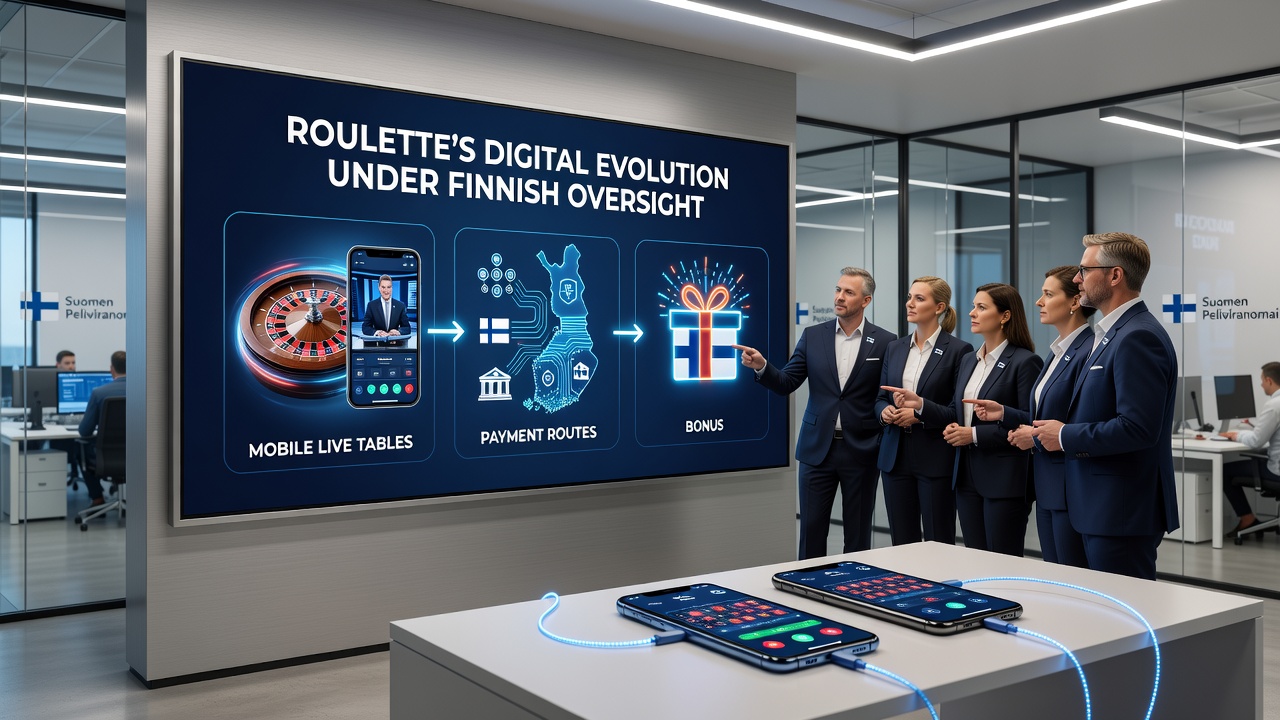
Operators must route all financial movements through entities licensed by relevant Finnish bodies, which maintains separation between gaming funds and operational accounts. This structure supports reconciliation processes that match payment confirmations against live table activity in near real time. Evidence from compliance audits shows that such routing reduces processing errors, while also enabling players to view detailed statements that itemize each transfer alongside corresponding game sessions. Turns out these payment integrations often include optional notifications sent directly to mobile devices, alerting users when funds clear or when bonus eligibility thresholds are met during active play.
Bonus Mechanics Within Regulated Frameworks
Bonus structures for mobile roulette follow precise calculation rules set by oversight guidelines, where wagering requirements attach to specific deposit amounts and apply uniformly across live table and virtual variants. Data indicates that operators present these terms through in-app displays that update dynamically as players accumulate qualifying bets, preventing mismatches between stated conditions and actual play tracking. Academic analyses from institutions such as those affiliated with Ontario's Alcohol and Gaming Commission have examined similar mechanics in other jurisdictions, noting parallels in how Finnish models emphasize clear disclosure of contribution percentages from different bet types toward requirement fulfillment.
One documented approach involves tiered bonuses that unlock additional features on live tables once initial playthrough targets are reached, such as enhanced statistics panels or temporary stake multipliers. Researchers discovered through examination of platform records that these mechanics are coded to reset automatically at the end of promotional periods, maintaining alignment with statutes that limit bonus duration and scope. People who review operator submissions frequently observe that bonus activation requires explicit player confirmation via mobile authentication, adding an extra verification layer that supports responsible participation tracking.
Conclusion
Finland's regulatory environment continues to shape the technical and operational aspects of roulette's digital progression, particularly in how mobile live tables interface with secure payment routes and structured bonus systems. Records compiled through 2026 demonstrate consistent application of standards that prioritize verifiable processes and user data integrity across all components. This framework supports further platform developments while preserving the traceability essential for sustained oversight.